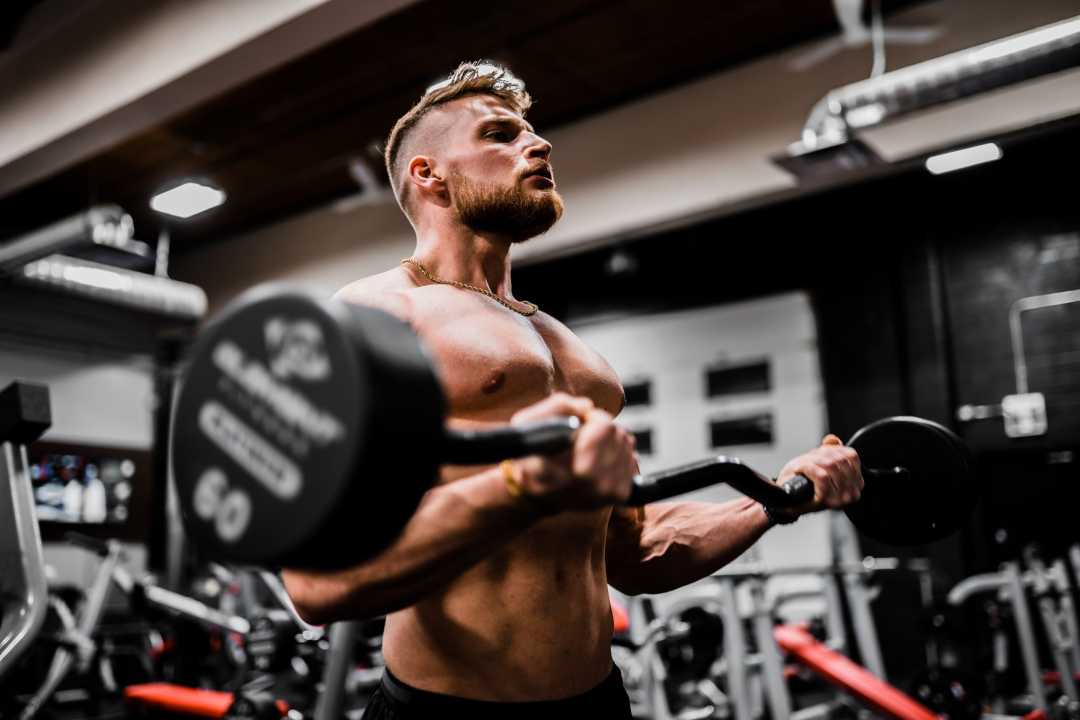
Are you finding yourself obsessed with building muscles at the gym, and never satisfied? In today’s age of six-pack abs, chiseled chests, and bulging biceps dominating magazine covers, fitness apps, and social media feeds, the pressure on men to achieve the “perfect” physique is immense. While many embark on fitness journeys to improve health and well-being, some find themselves on a slippery slope that leads to an obsession with achieving an idealised and sometimes unachievable body type. Muscle dysmorphia is a condition where one’s perception of their own body becomes heavily distorted, often leading to harmful behaviours and a relentless pursuit of more muscle.
Muscle dysmorphia (MD) is sometimes referred to as “bigorexia” or “reverse anorexia.” Unlike traditional forms of body dysmorphic disorders where individuals are often preoccupied with perceived defects or flaws in their appearance, those with MD believe they look smaller and weaker than they actually are. This perception persists, often in the face of evidence to the contrary.
To understand when fitness habits might be veering into dangerous territory, it’s important to recognise the signs of muscle dysmorphia:
Modern society’s fascination with the “ideal” male physique is magnified by social media. Platforms such as Instagram are inundated with images of ultra-fit men, often accompanied by the promise that such results are easily attainable. The constant exposure to such images can create unrealistic standards and exacerbate feelings of inadequacy among those with MD.
If you or someone you know shows signs of muscle dysmorphia, it’s essential to seek professional help. Recovery may involve cognitive-behavioural therapy to challenge and change distorted beliefs about one’s body. Surrounding yourself with supportive individuals, setting healthy boundaries with social media, and education about the dangers of excessive exercise and supplement use can also be instrumental in the recovery journey.
While pursuing fitness and aiming for a healthy body is commendable, it’s crucial to recognise when this pursuit becomes an obsession. Muscle dysmorphia, like all eating and body dysmorphic disorders, can have severe physical and mental health implications. Remember, health is holistic, encompassing both our physical and mental well-being. Recognising the signs and seeking help when needed is the first step toward a balanced, healthy life.